Founder and Chairperson
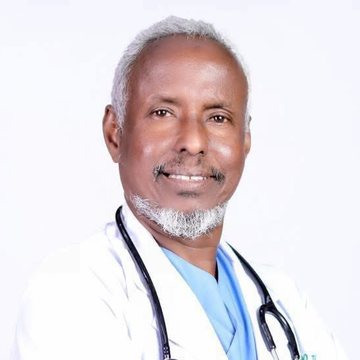
Dr. Abdirahman Ali Awaale
Known across Somalia as "Dr. Habeeb". He founded Habeeb in 2005 and has led its work for 20 years.
Read his story →Home / About
About usDecades of conflict, displacement and drought have left deep wounds in Somalia, yet trained mental health professionals are very few and stigma keeps many people from asking for help. Habeeb, meaning "beloved", was founded to change that.
Habeeb began in 2005 as the first mental health centre to open in Somalia after the civil war. Around 2,000+ patients are treated and supported in our outpatient centres every month, more than 100 of our inpatients have disabilities and no family, and 87% of our inpatients cannot afford the monthly fee for the care we provide. Today we run mental health centres in Mogadishu and in other regions, and in 2024 we opened a specialized mental health hospital in Adado.
Outpatient and inpatient care for conditions such as schizophrenia, bipolar disorder, depression and trauma, including people found on the streets.
We train health staff in primary care for mental health, so people can be recognized, supported and referred early.
School talks, radio programs and community awareness in Somali that make it easier to ask for help.
We work with families and authorities so that people living with mental illness are treated, not chained or hidden away.
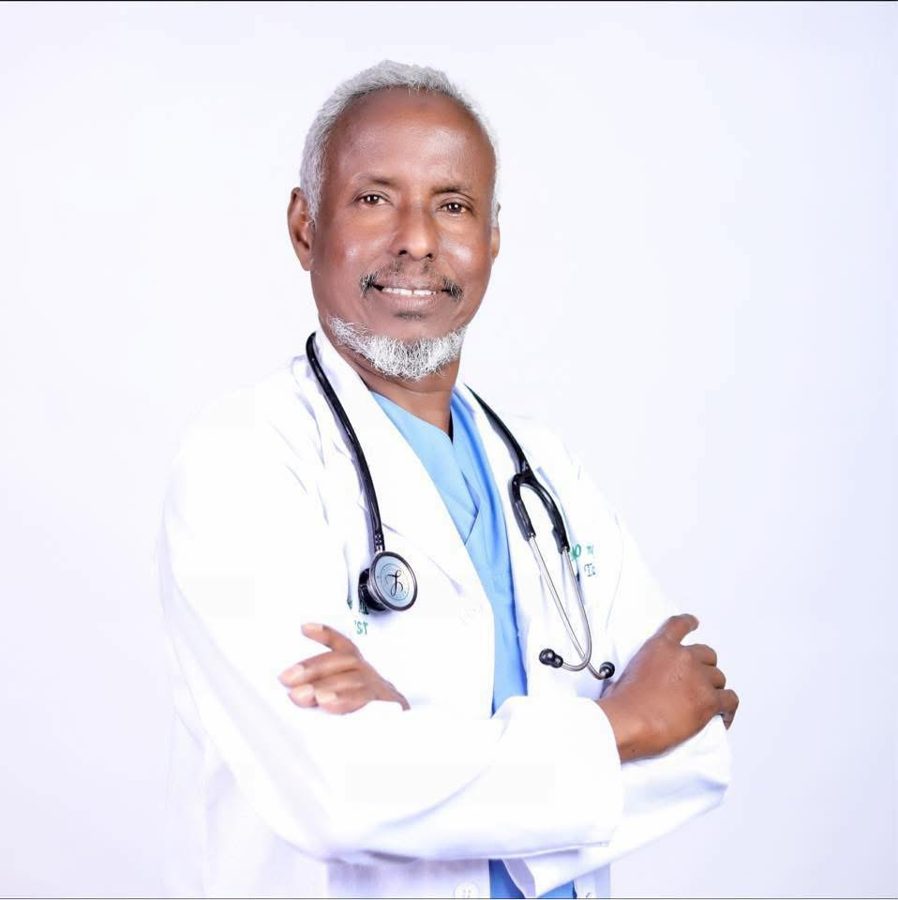
Known across Somalia as "Dr. Habeeb"
In November 2005, Dr. Abdirahman Ali Awaale saw a crowd on the streets of Mogadishu chasing and insulting young girls who were living with mental illness. At the time he was working as a psychiatric nurse. There was almost nowhere in the country for people like them to get care.
"Staying silent felt like a crime," he later said. Using his own resources, he opened a small mental health centre in Mogadishu on 24 November 2005, the first in Somalia since the civil war. About 30 patients came soon after it opened.
He went on to train as a psychiatrist, and Habeeb grew with him. He opened centres in other regions, gave talks in secondary schools, and spoke on Mogadishu radio stations to tell families that mental illness can be treated. Many of his patients had been chained or tied up at home, or were living on the streets.
Twenty years later, Habeeb runs centres in Mogadishu and beyond, trains new mental health workers, and has helped thousands of people back to their families.
"A mental patient doesn't need chains. They need a doctor, medication, and compassion."Dr. Abdirahman Ali Awaale
Known across Somalia as "Dr. Habeeb". He founded Habeeb in 2005 and has led its work for 20 years.
Read his story →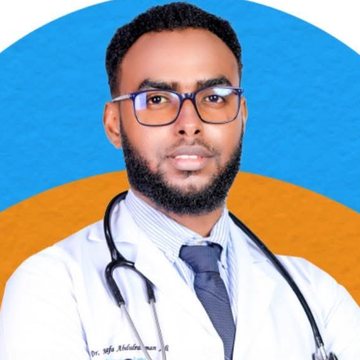
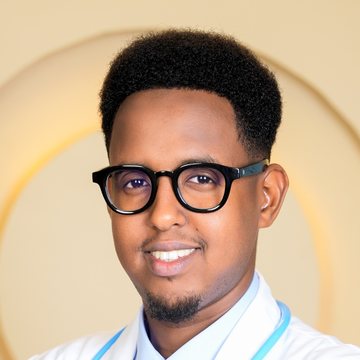
Consultant Psychiatrist and Medical Director of Habeeb Psychiatric Hospital. He has cared for Habeeb's patients for six years, and was named Best Psychiatrist of the Year at the Somali Health Awards.
Dr. Abdirahman Ali Awaale opens Somalia's first post-war mental health centre on 24 November 2005, with his own resources.
Habeeb runs six clinics across the country offering free psychiatric treatment, and broadcasts mental health messages on Mogadishu radio.
Habeeb opens a specialized mental health hospital in Adado, receiving patients from across Somalia and the region.
Habeeb marks 20 years of service, trains 30 female mental health staff in primary care, and our founder receives an Appreciation Award from the Ministry of Health.
Medicine, shelter and food for patients with schizophrenia and disabilities who have no family.